News
SLU Aqua brought its fish tagging course to Iceland
Published: 31 August 2026

In June, staff from SLU Aqua travelled to Iceland to train researchers and technical personnel in fish tagging. The assignment came after the Icelandic Marine and Freshwater Research Institute requested the course to help meet new requirements for ethical permits and training.
The collaboration originated when Magnús Thorlacius, a researcher at the Icelandic institute, had previously participated in SLU Aqua’s fish tagging course in Älvkarleby. As Iceland has gradually introduced regulations similar to Swedish requirements for animal experimentation and ethical review, a need emerged for training in fish tagging. SLU Aqua was therefore invited to deliver the course on site in Iceland.
The course was led by Ann-Britt Florin, Caroline Ek and Stefan Larsson, with support from course assistants Elsie-Marie Jansson, Yvonne Ottosson and Jörgen Rask. In total, just over 20 researchers and technicians from the Icelandic institute took part.
During two intensive days, the programme combined theory and practical training. The first day was held at the institute’s facilities in Hafnarfjörður, outside Reykjavík, while the practical sessions took place in Grindavík on the Reykjanes Peninsula.
For course leader Stefan Larsson, the visit to Grindavík was particularly memorable. The town has been severely affected by the volcanic eruptions that have impacted the area since 2023. Following extensive earthquake activity, residents were evacuated, and several homes were destroyed when lava flows reached residential areas.
– Magnús told us that the recommendation in the area is still to always park your car facing outward so that you can leave quickly if a new warning is issued, says Stefan Larsson.
Caroline Ek and Ann-Britt Florin also look back fondly on this summer’s fish tagging course.
– What I remember most are all the lupines and the very exciting traditional Icelandic lamb soup served at the hotel. It was also great to tag species that we do not usually work with, such as arctic char and cod, says course leader Caroline Ek.
–What stands out most in my memory is the dramatic landscape and all the friendly people we met. But what really caught my attention were the farmed Arctic char used as food fish. They were so fat that our tagging gun was too short to reach the fish’s vertebral column. That had never happened during the course before. Seeing young wolffish at the experimental aquaculture facility was an extra exciting experience as well, says Ann-Britt Florin.
After the course, participants were asked to evaluate the training. The results showed that the programme was highly appreciated, with all course components receiving consistently high ratings.
The visit demonstrates that SLU Aqua’s expertise is sought after internationally and serves as an example of valuable knowledge exchange across national borders.
-
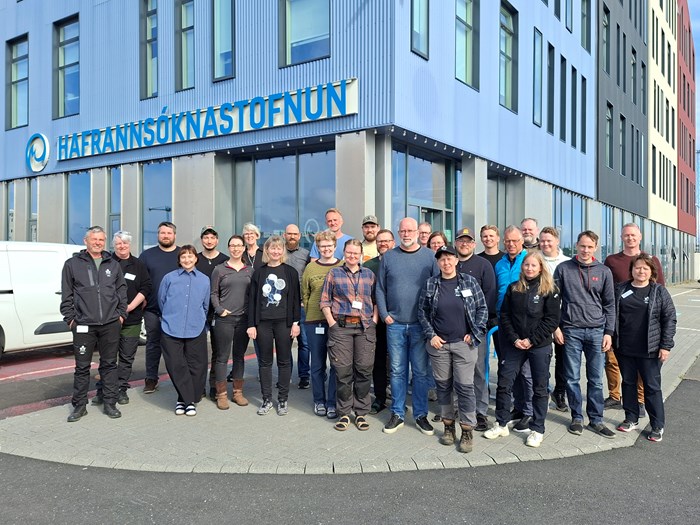
Gruppbild från fiskmärkningskursen på Island // Group photo from the fish tagging course in Iceland.
1/5
-
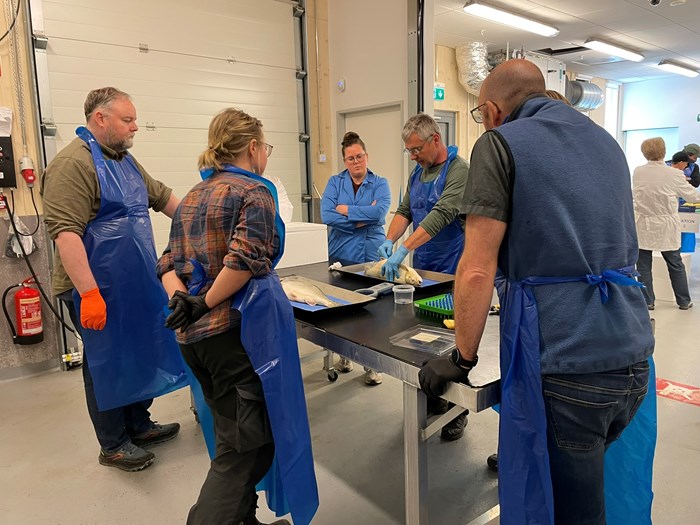
Jörgen Rask instruerar kursdeltagarna i fiskmärkning // Jörgen Rask demonstrates fish tagging techniques to the course participants.
2/5
-
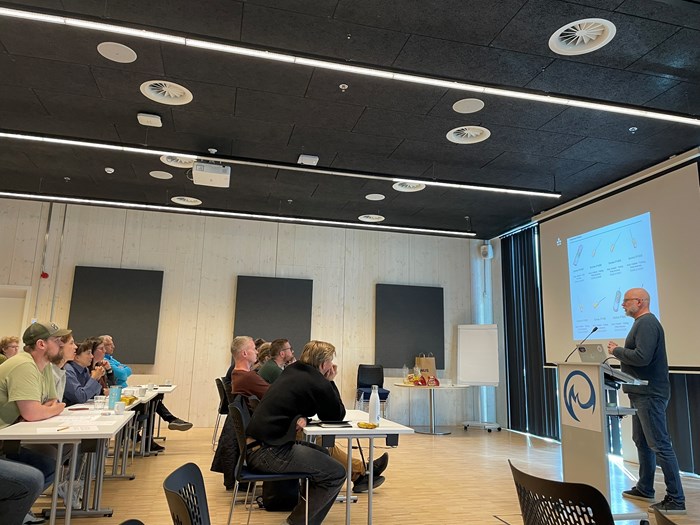
Stefan Larsson går igenom fiskmärkningsteori i institutets lokaler i Hafnarfjörður utanför Reykjavik // Stefan Larsson presenting fish tagging theory at the institute’s facilities in Hafnarfjörður, outside Reykjavík.
3/5
-
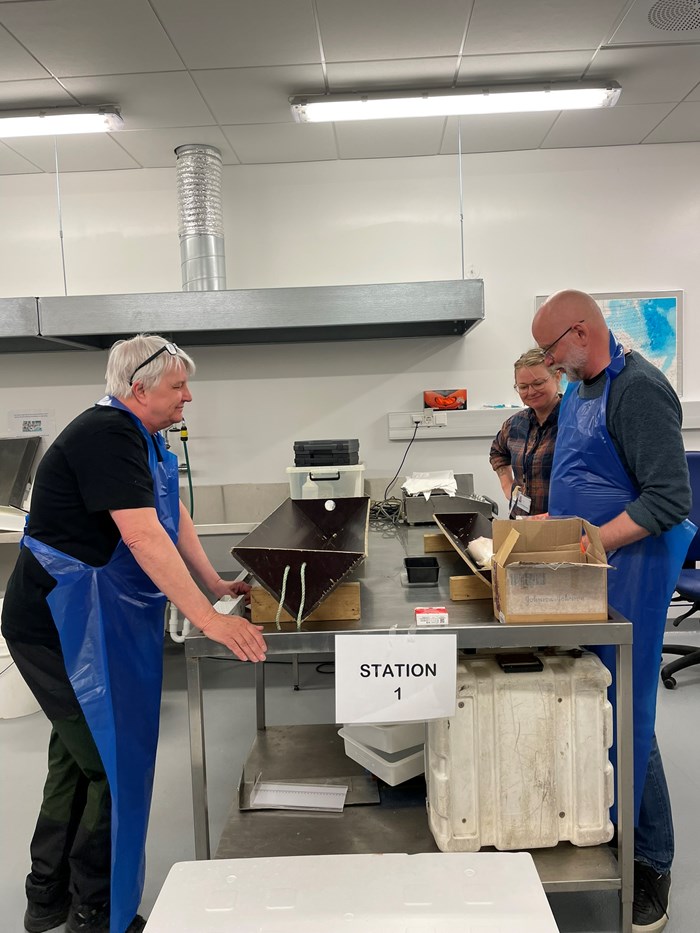
Kursledare Stefan Larsson och kursassistent Yvonne Ottosson // Course leader Stefan Larsson and course assistant Yvonne Ottosson.
4/5
-
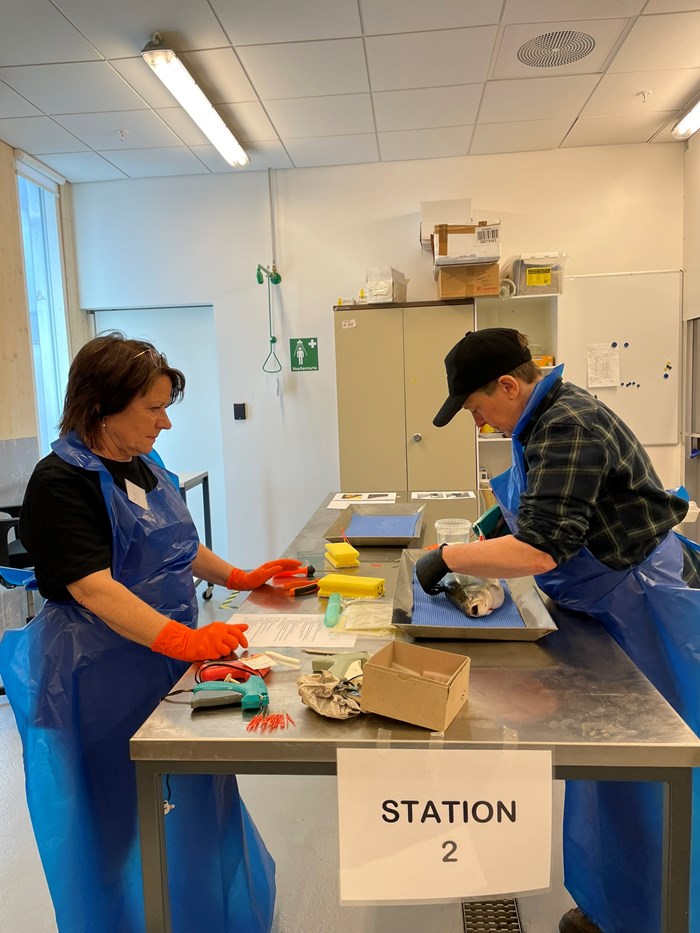
Kursledare Ann-Britt Florin och kursassistent Elsie-Marie Jansson // Course leader Ann-Britt Florin and course assistant Elsie-Marie Jansson.
5/5


More About the Fish Tagging Course
The course covered topics including the EU Directive on the Protection of Animals Used for Scientific Purposes, ethics and the 3Rs principle, fish anatomy, physiology and behaviour, as well as best practices for handling, anaesthesia and hygiene during tagging procedures. Participants also received hands-on training in several tagging methods, including Carlin tags, dart tags, microchips and telemetry.