News
Exploring eDNA through theory and hands-on activities
Published: 05 November 2026

Hi there Alfred Sandström and Tom Staveley. You helped organise an environmental monitoring and assessment workshop on eDNA in Uppsala in early November.
Could you tell us a bit more about the workshop?
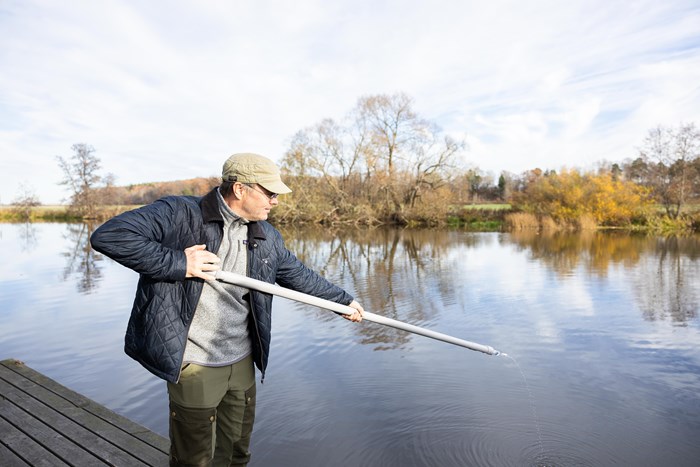
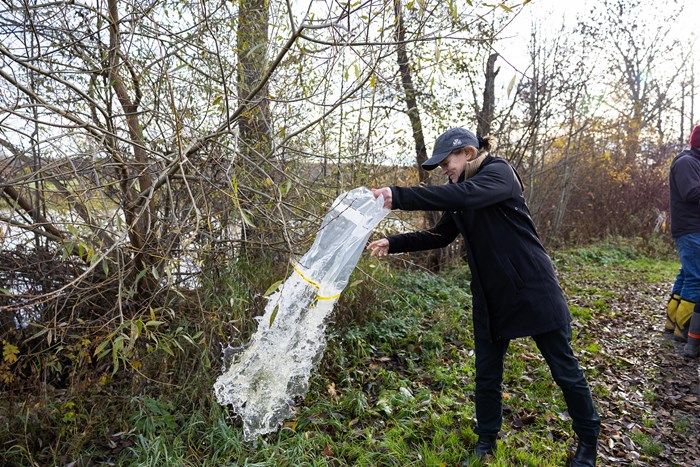
Alfred: The aim of the workshop was to provide a hands-on introduction to eDNA, its applications and future opportunities. Participants had the chance to try different sampling techniques and learn more about important sample handling procedures and how to avoid contamination. A total of 23 people participated in the workshop.
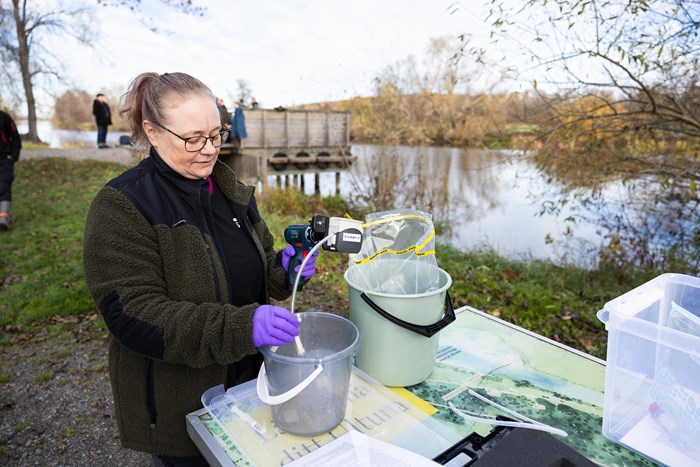
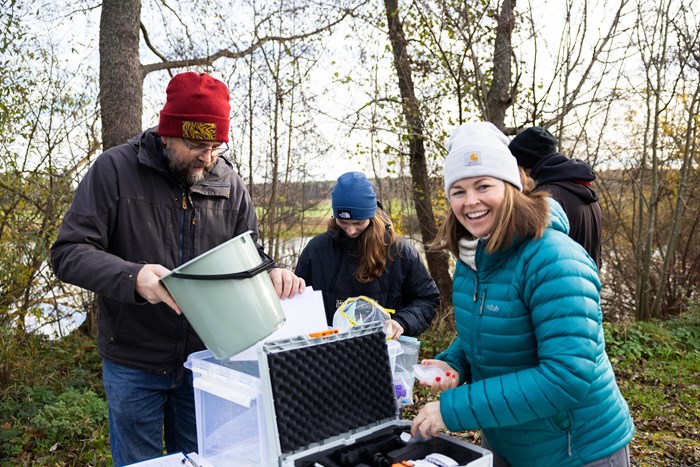
Tom: The first day we went through some theory behind eDNA and some of us shared our experiences from collecting eDNA in the field from various aquatic environments. This was followed by a second day giving participants real hands on experience, first making their own eDNA kits and then putting these to practice by sampling water in the river Fyrisån. They were exposed to using different ways to collect and filter water, which led to fruitful discussions on the choice of filters and pumps.
What was the participants' feedback and overall impression of the workshop?
Alfred: We received consistently positive feedback from the participants, particularly regarding the combination of theoretical and practical elements.
Tom: The participants appreciated being exposed to the different types of ways to filter water for eDNA, whether at sea or in freshwater.
What was the most valuable thing you took away from the workshop?
Alfred: It was very inspiring to meet all the participants and gain insight into how eDNA is used in different environments. It became clear that we already have considerable experience with eDNA at Aqua, but that through collaboration and coordination we can become even better in this field, which has such great potential.
Tom: To see the amount of people who are interested in eDNA and that we are using it in many different projects throughout the Institutes at Aqua.
What opportunities do you see for using eDNA in environmental monitoring and assessment work going forward?
Alfred: There are great opportunities ahead! Initially, eDNA can complement existing environmental monitoring, but in the long term it could become a method in its own right.
Tom: eDNA is becoming an increasingly common tool to monitor species in many ecosystems, and especially since there is no harm to target organisms it fits into the 3R principles very well. However, certain parameters are still missing (or under development) from current analyses, such as the biomass, life stage, length and weight of a species.
Anything else you want to add?
Alfred: I would like to thank all the participants for their enthusiasm and positive attitude. I also hope they gained valuable experience from the workshop. It would be especially exciting if some of them decide to take things further and start using one or more of the methods we discussed in the future.
-
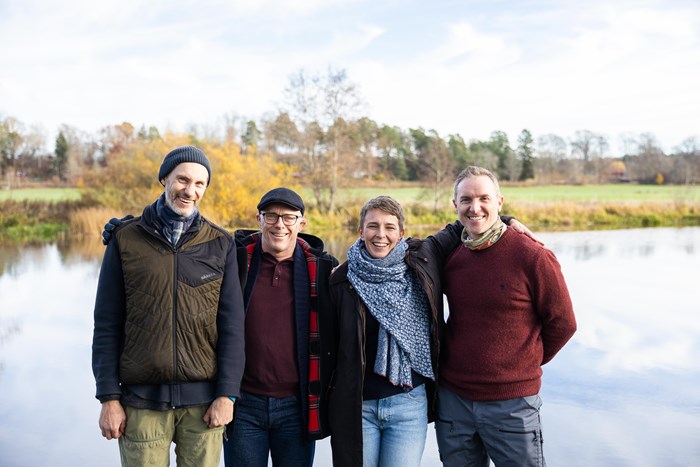
Some of the people who helped organize the workshop. From left: Alfred Sandström, Patrik Bohman, Zandra Gerdes, and Tom Stavely. Not in the photo is Martin Ogonowski, who also helped plan the workshop.
1/6
-
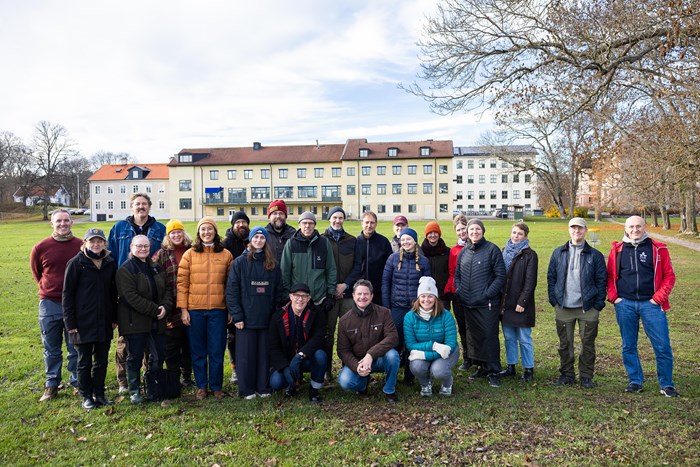
All participants in the workshop.
2/6
-
3/6
-
4/6
-
5/6
-
6/6


